Buy مزه.com ?
We are moving the project
مزه.com .
Are you interested in purchasing the domain
مزه.com ?
domain@kv-gmbh.de · 0541-91531010
Buy مزه.com ?
Why is Rutherford's scattering experiment called a scattering experiment at all?
Rutherford's experiment is called a scattering experiment because it involved firing alpha particles at a thin gold foil and observing how they scattered after hitting the foil. The term "scattering" refers to the process of particles being deflected from their original path as a result of collisions with the atoms in the foil. By analyzing the pattern of scattering, Rutherford was able to deduce the structure of the atom and propose the existence of a dense, positively charged nucleus at its center. This experiment was crucial in advancing our understanding of atomic structure and the behavior of subatomic particles. **
What was Rutherford's scattering experiment?
Rutherford's scattering experiment involved firing alpha particles at a thin gold foil and observing their deflection. The experiment aimed to study the structure of the atom and determine how the positive charge is distributed within it. The unexpected results of the experiment led Rutherford to propose the nuclear model of the atom, where he suggested that atoms have a small, dense, positively charged nucleus at their center. This experiment was crucial in advancing our understanding of atomic structure. **


Similar search terms for Scattering
Top-Angebote
Products related to Scattering:
-
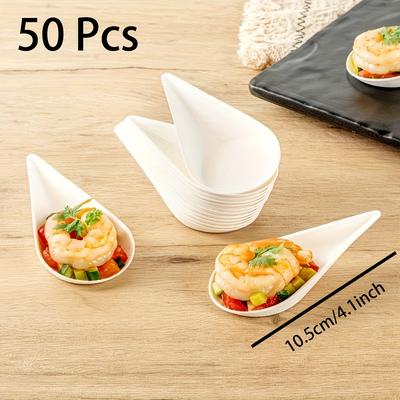
The Handy Homestead Water Drop Disposable Dessert Plates For Snacks Appetizers And Party Serving 50pcsMake every bite feel beautifully served without the cleanup. These 50pcs disposable dessert plates feature a charming water drop shape that instantly elevates snacks, sweets, fruit, and appetizers. Designed for hosts, caterers, restaurants, and busy...41,97 $*Shipping: 0,00 $Secure redirect to the provider
-
Belleek Entertaining Tapas SetBelleek's iconic Shamrock Basketweave pattern was first introduced in the 1880s and is still produced to this day. Featuring a beautifully embossed woven texture with handpainted shamrock accents this is our most iconic and well-known pattern.65,00 $*Shipping: 0,00 $Secure redirect to the provider
-
SiL 7 Piece Tapas SetThe 7 Piece Tapas Set is designed for those who enjoy entertaining. This versatile set includes glasses and serving dishes, making it suitable for various occasions, from casual gatherings to elegant soirées. Crafted from durable materials, this set is easy to clean and store, ensuring convenience for your hosting needs. It also makes a stylish gift option for friends and family. 1 year guarantee.15,00 £*Shipping: 3,50 £Secure redirect to the provider
-
Le Creuset Stoneware Tapas Dish - VolcanicLe Creuset presents the Stoneware Tapas Dish in Volcanic, perfect for serving hot and cold tapas, snacks and dips. Created from specialist clays and fired at high temperatures to ensure unmatched quality and durability, each item in the stoneware collection has an easy to clean scratch-resistant enamel coating. The perfect tapas dish for when you are entertaining at home. Product Features Tapas Dish - Volcanic Capacity: 450ml Made from high-quality stoneware Easy clean enamel coating prevents chips, scratches and does not absorb stains or odours Ideal for all tapas dishes as well as snacks and dips Other colours and products are available in the Le Creuset range Dimensions: L 17.9cm x H 4.1cm x W 15.5cm Dishwasher, microwave, oven and freezer safe 10 Year Guarantee26,00 £*Shipping: 4,99 £Secure redirect to the provider



-
What is the Rutherford scattering experiment?
The Rutherford scattering experiment was conducted by physicist Ernest Rutherford in 1909. In this experiment, Rutherford bombarded a thin gold foil with alpha particles and observed their scattering patterns. The unexpected results of the experiment led to the discovery of the atomic nucleus and the development of the nuclear model of the atom. The experiment showed that most of the alpha particles passed through the foil, but some were deflected at large angles, indicating the presence of a small, dense nucleus within the atom. This experiment revolutionized our understanding of the structure of the atom. **
-
What is the Rutherford scattering with copper?
Rutherford scattering with copper refers to the experiment conducted by Ernest Rutherford in which he bombarded a thin gold foil with alpha particles. The experiment led to the discovery that atoms have a small, dense nucleus at their center, which was a groundbreaking finding in the field of nuclear physics. The use of copper in the experiment is not common, as gold was the metal foil typically used due to its malleability and ability to be made very thin. **
-
What is the difference between reflection and scattering?
Reflection occurs when light bounces off a surface at the same angle it hits it, resulting in a clear image. Scattering, on the other hand, occurs when light is dispersed in different directions by particles or irregularities in a medium, resulting in a diffuse or hazy appearance. In reflection, the light maintains its original intensity and color, while in scattering, the light may lose intensity and change color due to the interaction with the medium. **
-
What causes the photoelectric effect: absorption or scattering?
The photoelectric effect is caused by absorption of photons by electrons in a material, rather than scattering. When a photon with sufficient energy is absorbed by an electron in a material, it can transfer enough energy to the electron to liberate it from the material, causing the photoelectric effect. Scattering, on the other hand, involves the redirection of photons by particles in a material, but it does not result in the ejection of electrons from the material. **


Can you explain the Rutherford scattering experiment atomic model?
The Rutherford scattering experiment was conducted by physicist Ernest Rutherford in 1909. In this experiment, Rutherford bombarded a thin gold foil with alpha particles and observed their scattering patterns. According to the prevailing atomic model at the time, the plum pudding model, it was expected that the alpha particles would pass through the foil with minimal deflection. However, Rutherford's observations showed that some alpha particles were deflected at large angles, and even some were reflected back. This led to the development of the nuclear model of the atom, in which the atom is mostly empty space with a small, dense nucleus at the center. This experiment provided evidence for the existence of a positively charged nucleus within the atom, leading to a significant shift in our understanding of atomic structure. **
Why is the Rutherford experiment called the scattering experiment?
The Rutherford experiment is called the scattering experiment because it involved firing alpha particles at a thin gold foil and observing how they scattered after hitting the foil. This scattering of alpha particles provided crucial evidence for the existence of a small, dense nucleus within the atom, as most of the alpha particles passed through the foil with little deflection, but a small fraction were scattered at large angles. This unexpected scattering pattern led to the development of the nuclear model of the atom and revolutionized our understanding of atomic structure. **
Top-Angebote
Products related to Scattering:
-
Shop Station Stackable Hamburger Ceramic Plate Set For Snacks, Desserts And Dips Stackable Hamburger Ceramic Plate Set For Snacks, Desserts And DipsTurn everyday serving into something guests will remember with this playful hamburger ceramic plate set. Designed to stack into an eyecatching burger shape, it brings personality to your table while keeping individual serving pieces conveniently...84,97 $*Shipping: 0,00 $Secure redirect to the provider
-
Kozy Kitchen Organic Bamboo Platter, Serving Platter, Sectional Wooden Dish For Appetizers & SnacksThis wooden appetizer tray is made of 100% organic bamboo. It's Eco-friendly and stylish design gives a lovely sense to your party tables. No matter if it's in your kitchen, office, yard, picnic, party, vacation, barbecue or some other special events!32,49 $*Shipping: 0,00 $Secure redirect to the provider
-
The Handy Homestead Water Drop Disposable Dessert Plates For Snacks Appetizers And Party Serving 50pcsMake every bite feel beautifully served without the cleanup. These 50pcs disposable dessert plates feature a charming water drop shape that instantly elevates snacks, sweets, fruit, and appetizers. Designed for hosts, caterers, restaurants, and busy...41,97 $*Shipping: 0,00 $Secure redirect to the provider
-
Belleek Entertaining Tapas SetBelleek's iconic Shamrock Basketweave pattern was first introduced in the 1880s and is still produced to this day. Featuring a beautifully embossed woven texture with handpainted shamrock accents this is our most iconic and well-known pattern.65,00 $*Shipping: 0,00 $Secure redirect to the provider
-
Why is Rutherford's scattering experiment called a scattering experiment at all?
Rutherford's experiment is called a scattering experiment because it involved firing alpha particles at a thin gold foil and observing how they scattered after hitting the foil. The term "scattering" refers to the process of particles being deflected from their original path as a result of collisions with the atoms in the foil. By analyzing the pattern of scattering, Rutherford was able to deduce the structure of the atom and propose the existence of a dense, positively charged nucleus at its center. This experiment was crucial in advancing our understanding of atomic structure and the behavior of subatomic particles. **
-
What was Rutherford's scattering experiment?
Rutherford's scattering experiment involved firing alpha particles at a thin gold foil and observing their deflection. The experiment aimed to study the structure of the atom and determine how the positive charge is distributed within it. The unexpected results of the experiment led Rutherford to propose the nuclear model of the atom, where he suggested that atoms have a small, dense, positively charged nucleus at their center. This experiment was crucial in advancing our understanding of atomic structure. **
-
What is the Rutherford scattering experiment?
The Rutherford scattering experiment was conducted by physicist Ernest Rutherford in 1909. In this experiment, Rutherford bombarded a thin gold foil with alpha particles and observed their scattering patterns. The unexpected results of the experiment led to the discovery of the atomic nucleus and the development of the nuclear model of the atom. The experiment showed that most of the alpha particles passed through the foil, but some were deflected at large angles, indicating the presence of a small, dense nucleus within the atom. This experiment revolutionized our understanding of the structure of the atom. **
-
What is the Rutherford scattering with copper?
Rutherford scattering with copper refers to the experiment conducted by Ernest Rutherford in which he bombarded a thin gold foil with alpha particles. The experiment led to the discovery that atoms have a small, dense nucleus at their center, which was a groundbreaking finding in the field of nuclear physics. The use of copper in the experiment is not common, as gold was the metal foil typically used due to its malleability and ability to be made very thin. **
Similar search terms for Scattering
-
SiL 7 Piece Tapas SetThe 7 Piece Tapas Set is designed for those who enjoy entertaining. This versatile set includes glasses and serving dishes, making it suitable for various occasions, from casual gatherings to elegant soirées. Crafted from durable materials, this set is easy to clean and store, ensuring convenience for your hosting needs. It also makes a stylish gift option for friends and family. 1 year guarantee.15,00 £*Shipping: 3,50 £Secure redirect to the provider
-
Le Creuset Stoneware Tapas Dish - VolcanicLe Creuset presents the Stoneware Tapas Dish in Volcanic, perfect for serving hot and cold tapas, snacks and dips. Created from specialist clays and fired at high temperatures to ensure unmatched quality and durability, each item in the stoneware collection has an easy to clean scratch-resistant enamel coating. The perfect tapas dish for when you are entertaining at home. Product Features Tapas Dish - Volcanic Capacity: 450ml Made from high-quality stoneware Easy clean enamel coating prevents chips, scratches and does not absorb stains or odours Ideal for all tapas dishes as well as snacks and dips Other colours and products are available in the Le Creuset range Dimensions: L 17.9cm x H 4.1cm x W 15.5cm Dishwasher, microwave, oven and freezer safe 10 Year Guarantee26,00 £*Shipping: 4,99 £Secure redirect to the provider
-
Cadac Tapas Dishes Set of 4Cadac Tapas Dishes - The Set of 4 That Will Revolutionise Your Campsite Breakfasts - Ceramic GreenGrill BBQ Mini Dishes Four individual ceramic-coated tapas dishes for your Cadac Dometic BBQ and cooking needs. With these dishes, you can cook up a storm : eggs, pancakes, beans, and even bacon - all at the same time, in their own dedicated dish. Easy to clean and easy to serve straight from the BBQ - perfect for a hassle-free campsite morning. Some of the best campsite cooking happens in those little dishes on the BBQ, and the Cadac Tapas Dishes Set of 4 really takes it to the next level. A Saturday morning just got a whole lot more interesting. Eggs in one, bacon in another, beans in a third, and pancakes in the fourth - four dishes full of goodies, all cooking away on the BBQ at the same time. And the best bit? Everything lands on your plate hot, at19,99 £*Shipping: 5,00 £Secure redirect to the provider
-
Le Creuset Stoneware Tapas Dish - Black OnyxLe Creuset presents the Stoneware Tapas Dish in Black Onyx, perfect for serving hot and cold tapas, snacks and dips. Created from specialist clays and fired at high temperatures to ensure unmatched quality and durability, each item in the stoneware collection has an easy to clean scratch-resistant enamel coating. The perfect tapas dish for when you are entertaining at home. Product Features Tapas Dish - Black Onyx Capacity: 450ml Made from high-quality stoneware Easy clean enamel coating prevents chips, scratches and does not absorb stains or odours Ideal for all tapas dishes as well as snacks and dips Other colours and products are available in the Le Creuset range Dimensions: L 17.9cm x H 4.1cm x W 15.5cm Dishwasher, microwave, oven and freezer safe 10 Year Guarantee26,00 £*Shipping: 4,99 £Secure redirect to the provider
-
What is the difference between reflection and scattering?
Reflection occurs when light bounces off a surface at the same angle it hits it, resulting in a clear image. Scattering, on the other hand, occurs when light is dispersed in different directions by particles or irregularities in a medium, resulting in a diffuse or hazy appearance. In reflection, the light maintains its original intensity and color, while in scattering, the light may lose intensity and change color due to the interaction with the medium. **
-
What causes the photoelectric effect: absorption or scattering?
The photoelectric effect is caused by absorption of photons by electrons in a material, rather than scattering. When a photon with sufficient energy is absorbed by an electron in a material, it can transfer enough energy to the electron to liberate it from the material, causing the photoelectric effect. Scattering, on the other hand, involves the redirection of photons by particles in a material, but it does not result in the ejection of electrons from the material. **
-
Can you explain the Rutherford scattering experiment atomic model?
The Rutherford scattering experiment was conducted by physicist Ernest Rutherford in 1909. In this experiment, Rutherford bombarded a thin gold foil with alpha particles and observed their scattering patterns. According to the prevailing atomic model at the time, the plum pudding model, it was expected that the alpha particles would pass through the foil with minimal deflection. However, Rutherford's observations showed that some alpha particles were deflected at large angles, and even some were reflected back. This led to the development of the nuclear model of the atom, in which the atom is mostly empty space with a small, dense nucleus at the center. This experiment provided evidence for the existence of a positively charged nucleus within the atom, leading to a significant shift in our understanding of atomic structure. **
-
Why is the Rutherford experiment called the scattering experiment?
The Rutherford experiment is called the scattering experiment because it involved firing alpha particles at a thin gold foil and observing how they scattered after hitting the foil. This scattering of alpha particles provided crucial evidence for the existence of a small, dense nucleus within the atom, as most of the alpha particles passed through the foil with little deflection, but a small fraction were scattered at large angles. This unexpected scattering pattern led to the development of the nuclear model of the atom and revolutionized our understanding of atomic structure. **
* All prices are inclusive of VAT and, if applicable, plus shipping costs. The offer information is based on the details provided by the respective shop and is updated through automated processes. Real-time updates do not occur, so deviations can occur in individual cases. ** Note: Parts of this content were created by AI.